

Biogeography and global biodiversity
Biogeography is more than a system of categorizing the world’s biota. Biogeographic regions reflect the degree of shared evolutionary history at the community level. By quantifying the degree of biogeographic isolation, I study whether regions that are more isolated from each other diverge in terms of biodiversity metrics.

Functional ecology of tropical dry forests
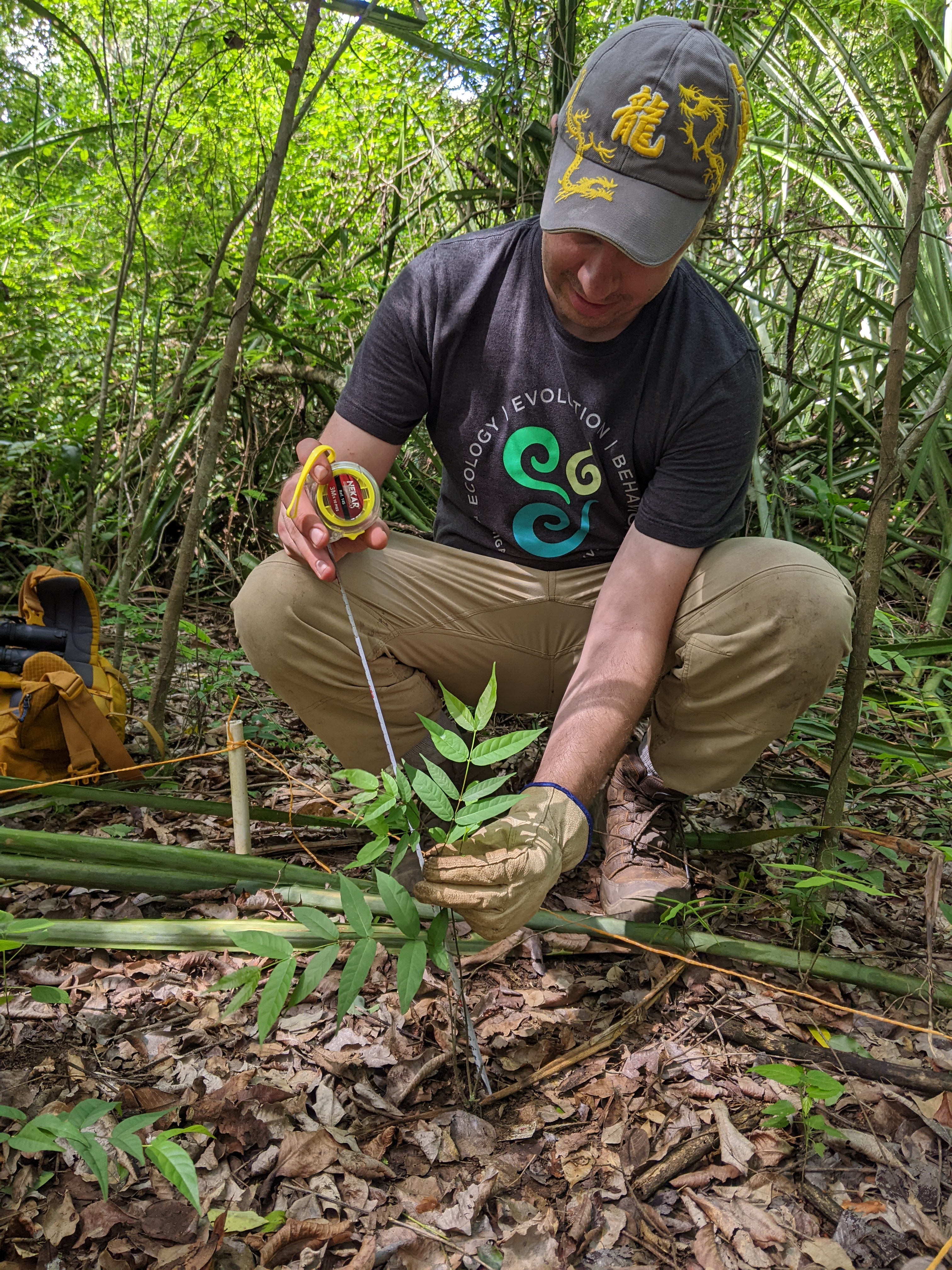
Trees in tropical dry forests must use water efficiently to grow but also must avoid dying when water is scare in the dry season. I study how hydraulic traits vary among species and between seedlings and adults, and I study how these traits may be related to demography.
Biotic homogenization
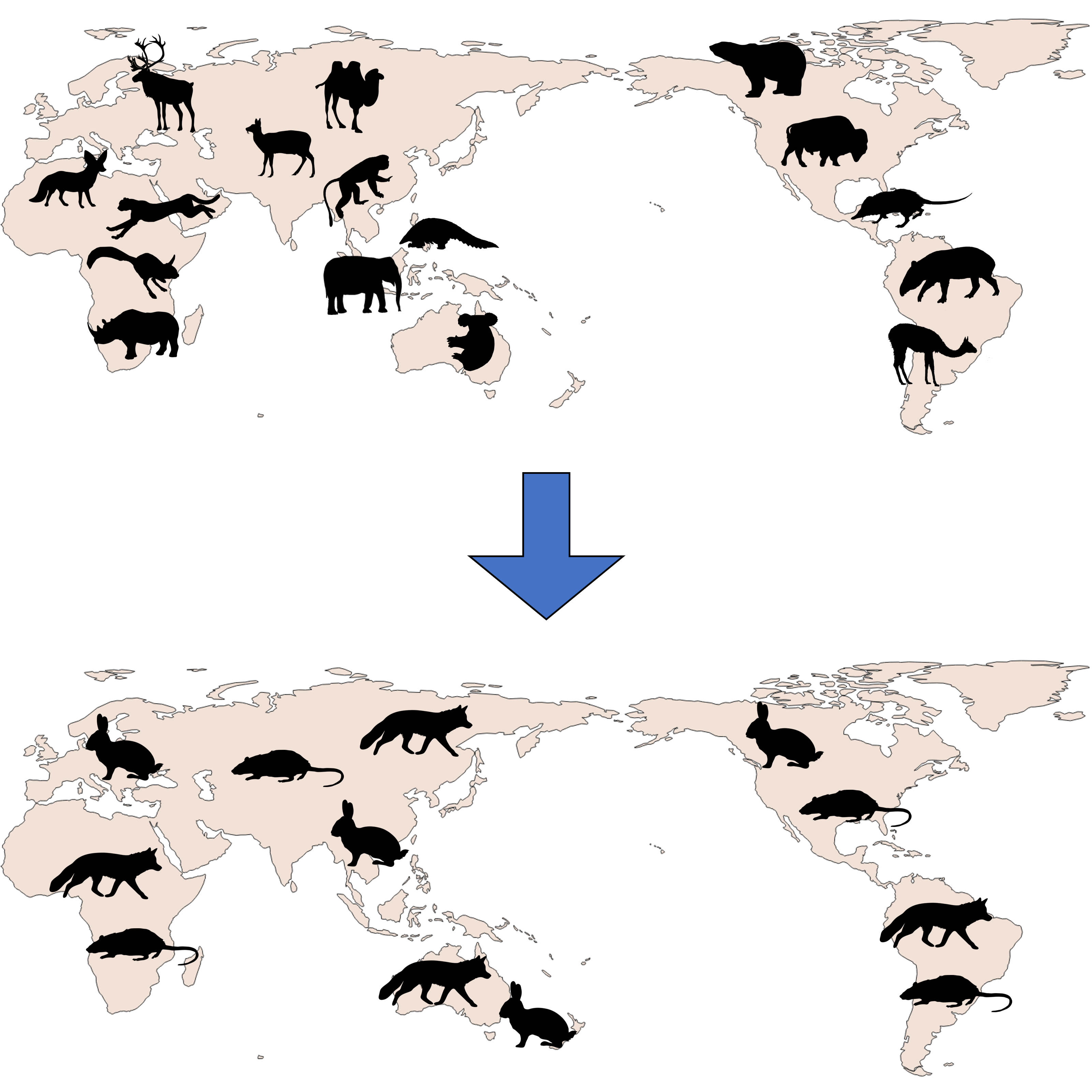
Biotas of the world are becoming more homogeneous as introduced species spread, as endemic species go extinct, and as the ranges of many species are restricted. I study how vertebrate communities around the world are changing, not just in terms of taxonomic diversity, but also phylogenetic and functional diversity.
Tropical plant-animal interactions
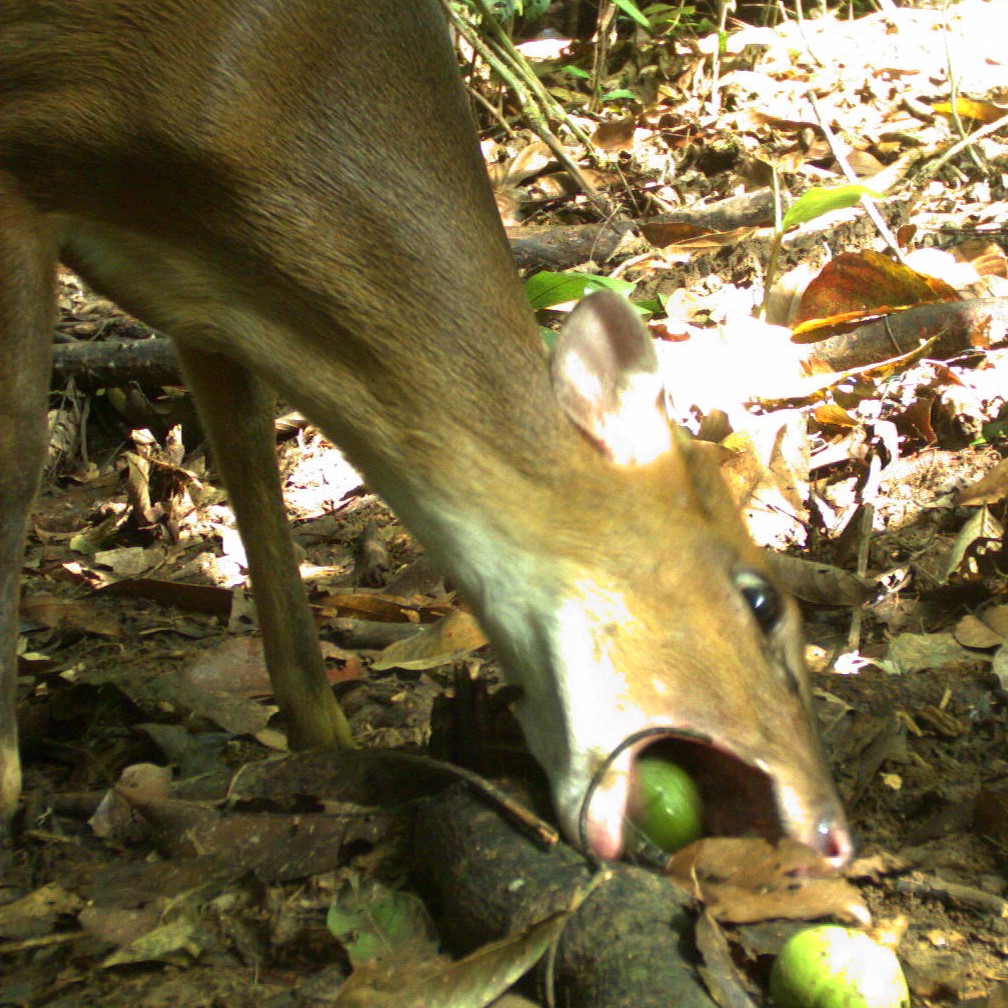
The loss of large vertebrates is altering plant-animal interactions, with consequences for the trees that make up tropical forests. I study how vertebrates interact with fruits and seeds in order to better understand how defaunation will affect forests.
 Peter Williams